


We live in a complex, fast‑moving world.
Anticipating risks is critical.
Anticipating risks together is better still.
One day we are healthy,
the next day we face a global pandemic.
We build our home near a lovely forest,
then a reckless fire destroys the entire community.
Our neighborhoods are safe,
while addiction spreads unseen.
Food is plentiful,
until a drought destroys the crop.
We cherish peace,
yet conflicts erupt.
Just when the job market looks great,
a major downturn strikes.
Our electrical grid seems strong,
until it is hacked.
Especially when life seems good,
we need to anticipate risks.



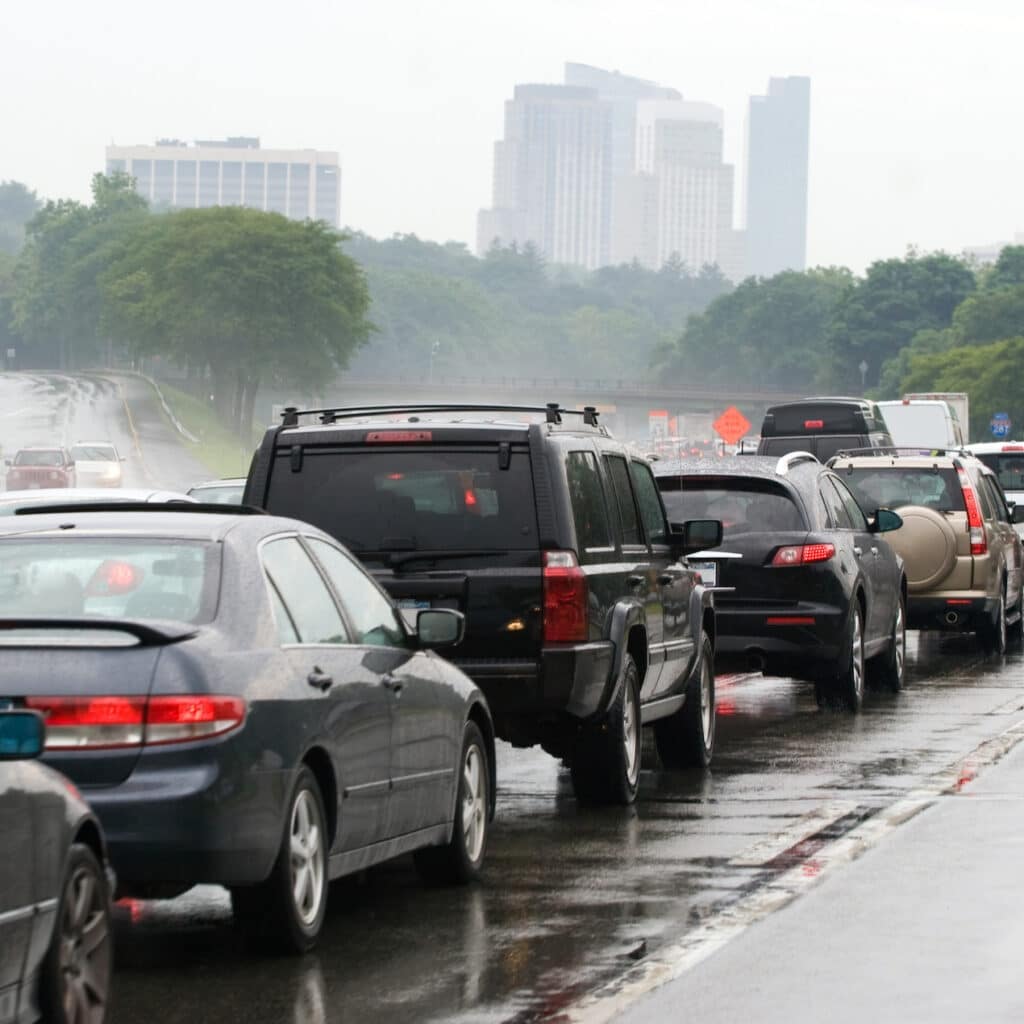
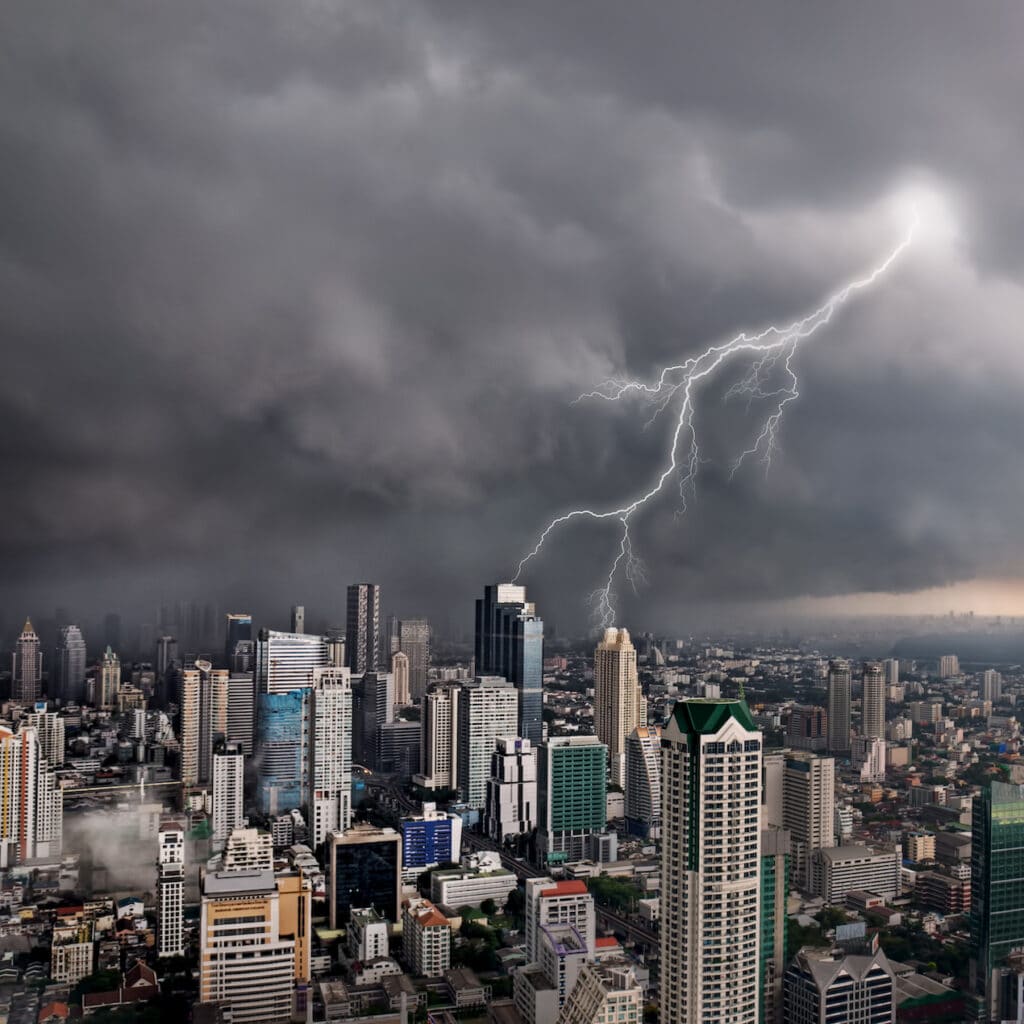
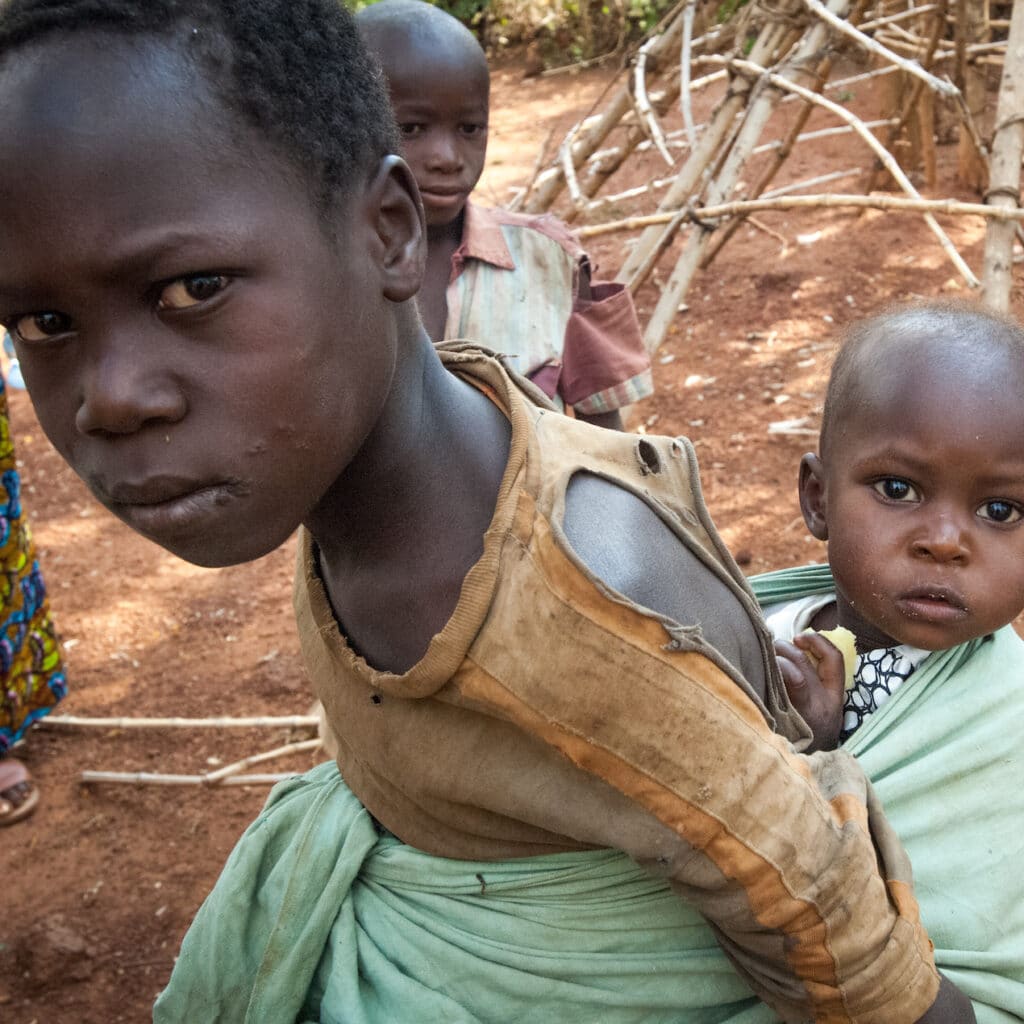












Anticipating Risks Together™

The Global Risk Census empowers people like you, all around the world, to observe local conditions that risk scientists can use to identify risks to people, home, community, country and indeed the entire planet.

watch this 30-second video
By participating in The Global Risk Census, you are helping us to identify problems based on early observations – you are describing conditions that would otherwise remain unknown and could lead to harm if not addressed.
Your responses indicate trends. If one person says the air is getting bad where they live, that is one person’s observation. If one hundred people say the air is getting bad, that is a trend!
Your answers are always anonymous. The Global Risk Census never releases identifiable information related to the respondent, ever. All we need to know is the country you live in, your living conditions, and what you observe around you.
Finally, the entire project is free to use. We charge no fee, ever. The Global Risk Census is a public interest project.
With your help, we will make anticipating risks together a reality.
The Global Risk Census is proudly produced in partnership with these organizations.



Ready to participate?
PARTICIPATION IS 100% FREE
AND ONLY TAKES 20 MINUTES TO COMPLETE!
Single words used by Census participants to describe the state of the world
Words appear in the language in which they were entered.
-
terrifying
-
problematic
-
uncertain
-
dynamic
-
collapsing
-
beautiful
-
adapting
-
apocalyptic
-
alarming
-
round
-
complex
-
chaotic
-
unequal
-
warm
-
shitshow
-
volatile
-
insecurity
-
perilous
-
consumerism
-
tragic
-
precarious
-
espantoso
-
adaptation
-
scary
-
depressing
-
better
-
disarray
-
divided
-
critical
-
unpredictable
-
evolving
-
degrading
-
tenuous
-
fragile
-
unfocused
-
disaster
-
crisis
-
violent
-
bad
-
derelict
Census Participation
As an early adopter, you are helping us fill up this map.
This week's Featured data
FAQ Frequently Asked Questions

PREPARATION
Themes
Listed below are the themes covered in our questionnaires.
Note that themes and questions are occasionally revised and may not be identical to these; we include them to give you a broad impression of what to expect.
The Main Questionnaire
(in alphabetical order, not by order of importance or appearance)
- Access to medical professionals
- Access to medicines
- Air quality
- Animal species and biodiversity
- Arts, entertainment and amusement options
- Care for the elderly
- Children’s education
- Civil unrest
- Climate change
- Conflict
- Corruption
- Cost of healthcare
- Crime and security
- Drinking water safety
- Fire and police services
- Globalization
- Governance
- Internet connectivity
- Level of life stress
- Mental health
- Migration
- Needs of the disabled
- News and information: trust and truth
- Opportunities for youth
- Pandemics
- Pay equality
- Physical fitness
- Population health
- Public transport
- Recycling
- Renewable energy
- Road conditions
- Social polarization
- Standards of living and economic opportunity
- State of health
- Substance abuse
- Urban amenities
- Urban desertification
- Vaccines
- Waste
- Wealth disparity
- Workplace discrimination and harassment
Thematic and Targeted Questionnaires
In addition to the Main Questionnaire, The Global Risk Census also includes thematic and targeted questionnaires.
Thematic Questionnaires
Thematic Questionnaires explore aspects of more specific conditions. These questionnaires are open to all participants giving you an opportunity to observe and report in greater detail.
Targeted Questionnaires
Targeted Questionnaires are reserved for specific - thus targeted - respondents. These questionnaires, usually developed in collaboration with qualified stakeholders, seek to obtain more informed observations from respondents closer to a specific set of issues.

PARTICIPATION

SHARING

UPDATING
Ready to participate?

A public interest project
Like you, all partners involved in the project consider The Global Risk Census to be a public interest project. We are all involved because it is the right thing to do.
Hopefully, fueled by this common purpose, we can better inform decision-makers responsible for keeping us and our planet healthy and safe.
Census News
Most recent news
Census News
Older news
NEWS RELEASE FOR IMMEDIATE RELEASE A NEW GLOBAL EFFORT TO ANTICIPATE RISKS TOGETHER Ottawa, Canada – April 25, 2022 – As the world becomes more complex and uncertain, there is an increasing need to anticipate risks. A new online questionnaire, The Global Risk Census (riskcensus.org), is gathering local observations to help identify potential risks before they become dangers. By filling out a 20-minute questionnaire, participants become the eyes and ears of the world in their neighborhood. The questions cover topics in health, urban infrastructure, the economy, crime, and many other aspects of society that can threaten people, homes, communities, countries, and…

Dr. Daniel Krewski, Director of Science of The Global Risk Census, is pleased to present the founding members of The Global Risk Census Advisory Board. The first six members, in order of date of appointment, are: Doug McNair (MD PhD) Santiago Perez-Lloret (MD PhD) Ri-Hua Xie (RN PhD FAAN) Amy Clippinger (PhD) Kim Lavoie (PhD FCPA FABMR) Nicholas You The six founding Board members hail from Canada, the United States, People’s Republic of China, Argentina, and Kenya. According to Dr. Krewski: “It is our intention to have a very diverse Advisory Board representing all continents, many countries, different professional backgrounds, gender…
The entire Global Risk Census and Risk Sciences International team would like to wish all of our staff, reviewers, candidate Board Members, stakeholders and most importantly our participants, a very happy new year. We thank you for the work you have put in throughout 2021 and look forward to a successful launch in 2022. Of course, in these trying times, we wish you all a safe 2022.
Census reviewers have concluded their work. Their comments have led to a substantial number of improvements, replacements and additions. Dr. Daniel Krewski, Director of Science for the Global Risk Census and Chief Risk Scientist and CEO at Risk Sciences International, said: “We are pleased with the changes. As expected, the review phase was extremely helpful. Having input from countries as diverse as Australia, China, South Africa or France has, we believe, helped us to create a hopefully universal questionnaire.” The next step will come in January 2022 when The Global Risk Census will officially go online and enter its three-month…
The Global Risk Census is entering its first review phase. A number of reviewers from several countries have volunteered to go through the proposed Census questions looking for errors, ethical concerns and relevant choices. Reviewers are also looking for missing questions that could help further the investigative effectiveness of the Census. The review period will end on December 19, 2021.
Today the Risk Sciences International web team began development of The Global Risk Census website. The team hopes to have the site in ‘beta-testing’ by early November 2021. If they meet their deadline, the team will transition to the review team who hopes to launch the review phase in early December 2021.
Today, the Risk Sciences International team has begun working on the question pool for The Global Risk Census. Their goal is to formulate a questionnaire with approximately 75 questions that will allow risk scientists to gather individual observations of risk from participants worldwide. They hope to complete the first round of writing within three months and aim to complete the review process by the end of 2021.